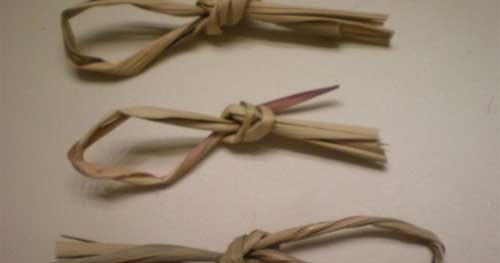
Yajur Vedi Avani Avittam for the
year 2018 on 26-8-2018
Avani
Avittam 26-8-2018 (Sunday)
(Compiled by P.R.Ramachander)

(The Gayathri japam is on 27-8-2017
for all the three Vedas. The
sankalpam for the Gayathri japam is
given in http://brahminrituals.blogspot.com/2018/08/gaayathri-japam-manthras-27-8-2018-for.html )
1.Yagnopa veetha dharana manthra
(
Manthra for wearing Poonal)
a.Aachamanam:Shuklaam
Bharadharam………. Santhaye
b.Om Bhoo…………..Bhoorbhavaswarom
c.Mamo patha samastha duritha kshya dwara sri paameshwara
preethyartham
Sroutha smartha vihitha
sadachara nithya karmaanushtanaa yogyatha sidhyartham brhma teja
abhivrudyartham yagnopaveetha dharanam karishye.
d.Yagnopaveetha dharana maha manthrasya
Parabrhma rishi(Touch forehead)
Trushtup chanda (touch below nose)
Paramathma devatha (touch heart)
e.Yagnopaveetha dharane viniyoga
Wear Poonal
one by one by reciting(poonal should be held by both hands, the tie in the
poonal being held above by the right hand facing upwards)
Yagnopaveetham paramam pavithram praja pathe,
Yat sahajam purasthad aayushyam
Agriyam prathi muncha shubram yagnopaveetham balamasthu
theja.
f.After wearing all poonals one by one do
Aachamanam
g.Remove the old poonals and break them to pieces
by reciting
Upaveetham bhinna thanthum jeernam kasmala
dooshitham, visrujami na hi brahma-varcho deerghayurastu me
h.Do aachamanam.
Summary meaning: I
wear the white yagnopavitha that is purifying , which was born along with
brahma, which is capable of increasing life .I am sure this would give glory
and strength to me.I am destroying the dirty , soiled yasgnopavita .
2.Kamo karshet Japam 26-8-2018 morning
a.Aaachamanam:Shuklaam
Bharadharam…….Santhaye
b.Om Bhoo
c.Mamo
patha--- Preethyartham
Tadeva lagnam sudhinam tadaiva, tharaa balam chandra balam thadaiva , vidhya
balam daiva balam tadaiva, Sri Lakshmi pathe aangriyugam smaraami
Apavithra pavithro vaa sarvaavasthaam gathopi vaa , ya smareth pundari kaksham,
sabahyanthara suchi , manasam vaachikam paapam , karmanaa
Samuparjitham, sri Rama smaranenaiva vyopahathi na
samsaya .Sree rama Rama
Tidhir Vishnu, Tatha vaara, nakshatram Vishnu reva cha
Yogascha karanam chaiva sarvam Vishnu mayam Jagat ,
Sri Govinda , Govinda, Govinda
Aadhya sri bagavatha mahaa purushasya Vishnor
Agnaya , Pravarthamanasya , Aadhya brhmana , dweethiya parardhe, swetha
varaha kalpe, , Vaivaswatha manvanthare, ashta vimsathi thame, kali yuge,
prathame padhe, Jamboo dweepe, Bharatha varshe , Bharatha kande, Mero dakshine
parswe. Asmin varthamane , vyavaharike prabhavaadheenam sashti samvatsaranaam
madhye , vilambi nama
samvatsare, Dakshinaayane, varsha rithou, simha mase, shukla pakshe, aadhya pournamasyam
shubha thidou, Bhanu vasara
yukthayam, Sravishta ** nakshatra yukthayam, shubhayoga, shubha karana evam
guna, viseshana visishtaayam, asyam pournamaasyam shubha thidou, taishyaam
pournamaasyam* adhyot sarjana akarana praayaschithartham , samvatsara
praayaschithartham, cha ashtothara satha samkhyaa “kamo karsheth manyura
karsheth” ithi maha manthra japam karishye.
d.Then chant “Kamo karsheth manyura
karsheth ” 108 times
e.Afterwards perform Aachamana and say”Kama manyu
upasthanam karishye” , and saying “Om tat sat brahmaarpanam
asthu.” Pour an Udharani of water
*On 26 -8-2018 ,
Pournami is up to 5.27 PM , and Prathama
is up to 7.02 PM of
27--8-2018 IST ** Sravishta Nakshatra is up
to 12.34 pm IST on 26/8/2018
and sathabishak Nakshatra
afterwards till 3.04 PM of 27-8-2018 according to the Madathu
Panchanga.., Before you do the Upakarma , please calculate
corresponding IST and take the proper Thidhi and Nakshatra.
This is also applicable to mantras of Maha Sankalpam given below.
Summary meaning:The Brahmin first prays God that the time
of doing whatever it may be should become holy and this he is sure
is achieved by prayer to God.Then he tells when he is doing this japa, for
example which year, which season, which day and so on.And he says that this
japa is being done as a repentance for his not perfornming various religious
duties including Learning of Vedas during the year which he ought to have performed.The main manthra is
a prayer to pardon the lapses which were due to Kama(passion) krodha(anger) and
lopa(avarice)
3.Maha Sankalpam
(26-8-2018
after Madhyaanikam and Brahma yagnam-Manthras for Brahma Yajnam for Apasthambha
suthram and Bodhayana are given one after another at the end
)
a.Aachamanam
b.Shuklam baradharam……..
c.Om bhoo
d.Maha samkalpam
Apavithra pavithro vaa
sarvaavasthaam gathopi vaa , ya smareth pundari kaksham, sabahyanthara suchi ,
manasam vaachikam paapam , karmanaa
Samuparjitham, sri Rama smaranenaiva vyopahathi na
samsaya .Sree rama Rama rama
Tidhir Vishnu, Tatha vaara, nakshatram Vishnu reva cha
Yogascha karanam chaiva sarvam Vishnu mayam Jagat ,
Sri Govinda , Govinda, Govinda
Aadya sri bhagawatha, Aadi vishno, Aadinarayanasya
achinthyaya , aparimithaya, sakthyaa, briyamaanasya, mahaa jaloughasya madhye,
paribrhamatham aneka koti brhmaandanam
madhye, eka thame, prithya aptejo vayvakaasaa
ahankaradhi -mahada vyakthai-aavaranair- aavruthe- asmin mahathi
bramanda-karandaka-madhye aadhara sakthi –koormaa nandathi ashta
diggajopari prathishtithasya , athala-vithala-suthala-rasaathala-thalaa
thala-mahaathala-pathalakyai loka sapthakasya upari thale, punya kruthaam
nivaasabhuthe bhoor –bhuvar-suvar-mahar-janarr-thapa-satyaakhyai loka
shatkasya adho bhage mahaa nalayamana phani raja seshasya sahasra phanaa mani
mandala mandithe, dighdanthi-shunda dhanda-uttambhithe, panchasath koti yojana
vistheerne, lokaloka –achalena valayithe
lavaneshu-sura-sarpi-dhadhi-ksheera-udakaarnavischa parivruthe,
jambhu-plaksha-saka-salmali-kusa-krouncha-pushkarakhya saptha dweepanaam
madhye, Jamboo dweepe, Bharatha varshe, bharatha kande, prajaapathi
kshetre
dandakaaranya-chamapakaaranya-vindhyaaranya-veekshaaranya-vedaaranayaadhi,
aneka punya aaranyaanam Madhya pradeshe, karma bhoomou, rama
–sethu-kedharayoo madya pradaeshe , Bhaageerathi-Gouthami-Krishna
veni-Yamuna-Narmadaa-Thungabadhraa-Triveni-Malaapahaarini-kaveri- ithyadi ,
aaneka punya nadhi viraajithe,
Indraprastha-Yamaprastha-Aavanthikaapuri-Hasthinaapuri-Ayodhyaa puri-Maayaa
puri-Kasi puri-Kanchi puri-Dwarakaa aadi aneka punya puree viraajithe Sakala
jagat srushta, parardha dwaya jeevana, bramana dweethiya parardhe, Pancha
sathabdhou, prathame varshe, prathame mase, prathame pakshe, prathame divasae,
aahni, dweethiye yame, trithiye muhurthe, swayambhuva-swarochisha-uthama-thamasa-raivatha-chakshu
shakheshu, shatsu manusha atheetheshu, sapthame vaivaswathe manvanthare,
aashta vimsathi thame, kali yuge, prathame padhe, Jamboo dweepe, Bharatha
varshe , Bharatha kande, Mero dakshine parswe. Asmin varthamane , vyavaharike
prabhavaadheenam sashtya samvatsaranaam madhye , vilambi nama samvatsare,
Dakshinaayane, varsha rithou, simha mase
mase, shukla pakshe, aadhya pournamasyam
shubha thidou, bhanu vasara yukthayam, Sravishta** nakshatra yukthayam,
shubhayoga, shubha karana evam guna, viseshana visishtaayam, asyam
pournamaasyam shubha thidou anaadhya vidhya pravarthamane ,
asmin mahathi samsara chakre vichitrabhi karma gathibhi vichitrasu
yonishu puna puna anekadha janithwa kenapi punya karma viseshena idhaanimthana
manushye dwijanma visesham prapthavatho mama jjanmabhyasa jjanama
prabruthi ethath kshana paryantham , baalye, vayasi kaumare
yowane vaardhake cha jagrath swapna sushupthya avasthamsu mano vak
kaya karmendriya jnanendriya vyaparai kama-krodha-lobha-moha-madha-mathsaryaadhi
sambhavithaanam iha janmani janmanthare cha jnana ajnana kruthaanam maha
pathakanaam mahaa patathakanumanthratwadeenam , samapathakaanaam
upapaathakaanaam malini karanaanam nindhitha dhana dhaano upa jeevanaadeenam
aapathrikarananaam jathi bramsa karaanam vihitha karma
thyaagaaadeenam jnanadha sakruth kruthanaam ajnanatha
asakruth kruthaanam sarveeshaam papaanam sadhya
aapanodhanartham
aswatha narayana sannidhou-deva brahmana sannidhou-tryaa
trimsath koti devathaa sannidhou-sri visaalakshi sametha visweswara swami
sannidhou-mahaa ganapathi sannidhou-seetha lakshmana bharatha sathrugna-hanumt
samedha sri rama chandra swmai sannidhou-sri rukmani sathyabhama samedha sri
gopala Krishna swami sannidhou-hari hara puthra swami sannidhou-sri lakshmi
narayana swami sannidhou sraavanyaam pournamasyaam adhyopakrama karma
karishye.Thadangam sravanee pournamasi punyakale sareera shudhartam
shuddhodhaka snanam aham karishye
Athi krura maha kaya, kalpanthahanopama,
Bairavaya namasthubhyam anujnam dathu marhasi
*On 26 -8-2018 ,
Pournami is up to 5.27 PM , and Prathama
is up to 7.02 PM of
27--8-2018 IST ** Sravishta Nakshatra is up
to 12.34 pm IST on 26/8/2018
and sathabishak Nakshatra afterwards
till 3.04 PM of 27-8-2018 according to the Madathu
Panchanga.., Before you do the Upakarma , please calculate
corresponding IST and take the proper Thidhi and Nakshatra.
Summary meaning:Here again apart from locating oneself
with reference to time , one locates himself with reference to place also.We
are supposed to live in Jambu Dweepa, Bharatha Kanda which is south of the
great mountain Maha meru.Then again this Bhasratha Kanda is blessed with many
holy rivers and holy places.Then prayer is done to God to pardon sins committed
by word, thought and deed, because this was done inspite of his great grace
which made us be born as human beings after several wheels of birth.Also the
sins performed during several ages in life is highlighted.Some of the sins
specifically mentioned are those done while earning money without conscience,
giving money to improper people, actions which did not suit the caste we are
born in, sins due to non performance of actions which ought to have been done
and so on. We pray God and tell him that we would take bath in holy pure water
and then start the veda parayanas which is our duty as Brahmin.
4.Yagnopa veetha dharana manthra
After bath again change poonal
by reciting manthra as given in s.No.1.Please note that now a days very rarely
people take bath after mahaa sankalpam but do prokshana snanam i.e bath by
sprinkling of water on the head.
5.Kanda Rishi Tharpanam
1,Aachamanam
2,Shklaama baradharam
3.Om bhoo
4.Mamo patha samastha
durida kshya dwara sri parameshwata preethyartham sravanyaam
pournamaasyam adhyoyapakrama karmangam kanda rishi tharpanam
karishye.
Wear poonal as garland and do
tharpanam using water mixed with thil (black gingely) and akshatha
Each manthra has to be
chanted thrice and tharpanam done.
1.Prajapathim kanda rishim tharpayami
2,Somam kanda rishim tharpayami
3.Agnim kanda rishim tharpayami
4.Viswaan devaan kanda rishim tharpayaami
5.Saahinkeer devatha upanishadha tharpayami
6.Yagnigeer devatha upanishadha tharpayaami
7.Vaaruneer devatha upanishadha tharpayami
8.Brhamanagum swayubhuvam tharpayaami
9.Sadasaspathim tharpayami
wear poonal in the normal fashion and then do
aachamana.
Summary meaning:Tharpanam means really satisfying.By this
tharpanam we satisfy the rishi(sages) of Soma(moon), Agni(fire), Viswaan
devan(all gods looking after earth), etc.
5.Vedarambham
Though these are essential part of
Avani avittam , I am not giving this because Vedic manthraas are very difficult
to transliterate in to English and reading them wrongly would be counter
productive.
Appendix I, Apasthamba Suthra Brahma Yagnam.
Perform Achamanam
Face eastern direction and do “Shuklam baradaram….”
Followed by pranayamam “om Bhoo…”
Mamopatha samastha duritha kshya dwara sri Parameshwara
preethyartham Brahma Yagnam karishye. Brahma yagnena Yakshye.
Chant and clean the hands with water
Vidhyudasi paapmanam vidhya me paapmanam amruthath Sathya
mupaime
And then chant
Om Bhooo tatsa vithurvarenyam
Om Bhuva Bhargo
devasya Dheemahi
Ogum suva Dhiyo yona prachodayath
Om Bhooo Tatsa
vithurvarenyam Bhargo devasya dheemahi
Om Bhuva
Dhiyo yona prachodayath
Ogum
Suva Tatsa vithurvarenyam Bhargo devasya Dheemahi Dhiyo
yona prachothayath
Chant Vedic manthras
Om Agnimeele purohitham Yagnasya Dheva mruthvijam,
hotharam Rathna Dhathamam
Om Ishe Twoje Thwa vayavasthapayavastha Devo vassavitha
prarpayathu sreshtathamaya karmane
Om Agna Aayahi veethaye grunano havyadathaye, ni hotha
sadhsi bharhishi
Om sanno devirabheeshtaya Aapo peethaye sam
yorabhisravanthu na
After this recite if
possible vedic manthras that you know like Rudram, Chamakam etc
Sprinkle water round the head by reciting
Sathyam Thapa sradhayam juhomi
Recite three times with folded hands
Om namo brahmane namosthwagnaye nama pruthwyai nama
oshadheebhya namo vaache namo vaachaspathaye namo vishnave bruhathe
karomi.
8.Clean the hands again
with water by reciting “vrushtirasi vruschame paapmanamamruthath sathyamupaaga”
Do aachamanam
Chant “shuklam baradaram….”
Do Pranayamam, “om Bhoo…”
Mamopatha samastha duritha kshaya dwara sri parameshwra
preethyartham deva-rishi-pithru tharpanam karishye.
Touch water and clean your hands
Do deva tharpanam through the tip of fingers
1.Bramodaya ye deva thaan devaan tharpayami
2.Sarvaan devaan tharpayami
3. Sarva deva ganaan tharpayami
4.Sarva deva pathnis tharapayami
5.Sarva deva ganapathnis tharpayami
13, Do rishi
tharpanam by wearing yagnopaveetha as garland and pouring out water from
the liitle finger
1,Krishna dwaipayanaya ye rishaya thaan rishin tharpayami
2. Sarvaan risheen tharpayami
3.Sarva rishi ganaan tharpayami
4. Sarve rishi pathnis tharpayami
5,Sarva rishi gana pathnistharpayami
6. Prajapathim kanda rishim tharpayami
7. Somam kanda rishim tharpayami
8. Agnim kanda rishim tharpayami
Put the Yagnopaveetham in normal fashion and pour
water from the tips of fingers
9. Viswan devan kanda rishin tharpayami
10.
Samihithir devatha upanishada tharpayami
11. Yagnigir devatha upanishada tharpayami
12.Varuneer devatha upanishada tharpayami
Put the Yagnopaveetham and pour water by towards the left
13. Havyavaham tharpayami
14.Viswaan devaan kanda rishin tharpayaami
Pour water by the bottom of the palm towards self
15.Brahmanam swayambhuvam tharpayami
16.Viswan devan kandarishin tharpayami
17.Arunan
kandarishin tharpayami
Put the Yagnopaveetham in normal fashion and pour water
from the tips of fingers
18.Sadasaspathim tharpayami
19.Rig vedam tharpayami
20.Yajur Vedam tharpayami
21. Sama Vedam tharpayami
22. Atharvana Vedam tharpayami
23. Ithihasa puranam tharpayami
24. Kalpam tharpayami
14.Only those who have lost their father (others go to
step 15)do Pithru tharpanam wearing the yagnopaveetham on the right shoulder
pouring water between the thumb. And index finger.
1.Soma pithruman yamo angiraswan agni kavyavahana ithyadaya ye
pithara
thaan pithrun tharpayami,
2. Sarvaan pithrun tharpayami
3. Sarva pithru ganan tharpayami
4. Sarva pithru pathnistharpayami
5. Sarva pithru ganapanthnistharpayami
6.oorjam vahanthi amrutham grutham paya keelaalam parisruyatham
swadaastha tharpayatha me pithrun trupyatha, trupyatha, trupyatha
7.Aabrahma sthambha paryantham jagat trupyathu
15.Put the yagnopaveetha in the normal fashion
Pour water saying Om That sat Brahmarpanamasthu
And then do aachamanam.
Appendix II, Bodhayana Suthra Brahma Yagnam.
Bodhayana Brahma Yagnam
( The tharpanam in Brahma Yagnam is different and extremely elaborate in Bodhayana Suthra)
1.Perform Achamanam
Take minute quantities of water(just sufficient to soak one grain of black gram) three times in the right hand and take it with the following manthra.
1.Om Achyuthaya nama 2,Om Ananthaya nama 3.Om Govindaya nama
Then
Touch with thumb both cheeks saying kesava -Narayana
Touch with ring finger both eyes saying Madhava –govinda
Touch with the first finger both sides of nose saying Vishno-Madhusoodana
Touch with little finger both ears saying Trivikrama-Vamana
Touch with the middle finger both shoulders saying Sreedhara-Hrishi kesa
Touch with all fingers the belly button saying Padmanabha
Touch with all fingers the head saying Damodara
2.Ganapathi dyanam
Recite the following manthra slowly hitting the forehead with both fists together.:-
Shuklambaradharam Vishunum Sasi Varnam ChathurBhujam,
Prasanna Vadanam Dyayeth Sarva Vigna Upa Santhaye.
3.Do Pranayamam.
Hold both Nostrils with Thumb and the little and third finger of the hands and recite the following Manthra:-
Om Bhoo
Om Bhuva
Ogum Suva
Om Maha
Om Jana
Om Thapa
Ogum Sathyam
Om Tatsa vithur varenyam Bargo devasya dhi mahi dhiyo yona prachodayath
Om Apa
Jyothj rasa
Amrutham brahma
Bhoorbuvasuvarom
Touch the ears three times saying
Om, Om , Om
4.Do Sankalpam
Mamo Partha Samastha Duritha kshaya dwara Sri Parameshwara Preethyartham.
Brahma Yagnam karishye
Brahma Yagnena yakshye
Mamo Partha Samastha Duritha kshaya dwara Sri Parameshwara Preethyartham.
Brahma Yagnam karishye.Brahma yagnena yakshye.
4.Prayogam
a.Vidhyudhasi vidhya me paapmanam ruthath sathya mupaime.
Touch water .Do Achamanam three times and after first and second touch water ,clean the lips, and after the third sprinkle water on left arms and left leg. Then touch head, eyes, nose and chest.
b.Then chant
Om Bhoo, tatsa vithurvarenyam
Om Suva , Bhargo devasya dheemahi,
Ogum suva .dhiyo yona prachodayath,
OM Bhoo tatsa vithurvarenyam bhargo devasya dheemahi.
Om Bhuva , dhiyo yona prachodayath,
Ogum suva , tasa vithur varenyam bhago devasya dheemahi dhiyo yona prachodayath.
c.chants from all the four Vedas
Hari Om , Agni meele purohitham , yagnasya devam ruthvijam.Hothaaram rathna dhathamam. Hari om (Rik veda)
Hari Om , Eeshethvorje twam vayavastho payavastha , devo vassavitha prarpayathu sresta thamaya karmane.Hari om(Yajur veda)
Hari om, Agna aayahi veethaye grunano havya dhathaye ni hotha sathsi barhishi ..Hari Om (Sama veda)
Hari om., Sanno deveer abhishtaya aapo bhavanthu peethaye , sam yorabhistravanthu na.Hari om (Atharvana veda)
d. Chant “Om Bhoorbhavassuva” and rotate little water round your head
e.Chant “Satyam Thapa, Sradhayam Juhomi” with folded hands
f.Chant thrice with folded hands
“Om namo brahmane. Namasthvagnaye, , nama pruthviyai, nama oshadheebhya. Namo vache, namo vachaspathaye, namo vishnave, bruhathe karomi.
g.Chant “Vrushtirasi vruchame paapmanam rhuthaath sathya mupakam
Deva rishi-pithru tharpanam karishye
I.Deva tharpanam
Wear the Yagnopavitha over the left shoulder(Upaveethi) and do Tharpana through the tip of the fingers of right hand chanting the following manthras
1.Agni, Prajapathi , Somo Rudhra , athithir , Brahaspathi SArpaa ithyethaani prakrud dwarani daivathani sanakshtrani sa grahaani Sahorathrani samuhurthaani Tharpayami
2, Vasoomscha tharpayami
3.Pithro aarayama bhaga savithaa thwashtaa vayu indra agni ithyedhaani dakshinathwarani daivathani , sanakshthrani sa grahani sahorathrani samuhurthaani tharpayami
4. Rudramscha tharpayami
5.Mithra Indro Maha pithara AAbho viswa devaga Brahma Vishnu ithyedhani prathyagdwarani daivathani , sanakshthrani sa grahani sahorathrani samuhurthaani tharpayami
6. Aadhithyamscha Tharpayami
7.Vasavo Varuna aja ekhapath ahir puthniya Poosha aswinala yama ithyethani udagthwarani , daivathani , sanakshthrani sa grahani sahorathrani samuhurthaani tharpayami
8.Saadhyamschaschatharpayami
9.Brahmanam tharpayami
10. Prajapathim tharpayami
11. Prameshtinam tharpayami
12.Hiranya Garbham Tharpayami
13.Chathur mugam tharpayami
14. Swayambhuvam tharpayami
15. Brahma parshadaan tharpayami
16.Brahma parshadhee tharpayami
17. Agnim tharpayami
18.Vayum tharpayami
19. Varunam tharpayami
20. Somam tharpayami
21. Sooryam tharpayami
22. Chandramasam Tharpayami
23.Nakshthraani tharpayami
24.Jyo dheegumshi tharpayami
25. Sadhyojaathaam tharpayami
26.Om Bhoo purusham tharpayami
27.Om bhuva purusham tharpayami
28. Om suva purusham tharpayami
29.Om bhorbhuva suva purusham tharpayami
30. Om bhoo tharpayami
31.Om Bhuva tharpayami
32.Om Suva tharpayami
33. Om Maha tharpayami
34.Om Jana tharpayami
35.Om Thapa tharpayami
36.Ogum sathyam tharpayami
37.Bhavan devam tharpayami
38.Sarvam devam tharpayami
39.Eesanam devam tharpayami
40.Pasupathim devam tharpayami
41.Rudram devam tharpayami
42.Ugram devam tharpayami
43.Bheemam devam tharpayami
44.Mahantham devam tharpayami
45.Bhavasya devasya pathni tharpayami
46.Sarvasys devasya pathni tharpayami
47.Eesanya devasya pathni tharpayami
48.Pasupathor devasya pathni tharpayami
49.Rudrasya devasya pathni tharpayami
50.Ugrasya devasya pathni tharpayami
51.Bheemasya devasya pathni tharpayami
52.Mahatho devasya pathni tharpayami
53.Bhavasya devasya sutham tharpayami
54. Sarvasya devasya sutham tharpayami
55.EEsanya devasya sutham tharpayami
56.Pasupather devasya sutham tharpayami
57.Rudrasya devasya sutham tharpayami
58.Ugrasya devasya sutham tharpayani
59.Bheemasya devasya sutham tharpayami
60. Mahatho devasya tharpyami
61.Rudramscha tharpayami
62.Rudra parshadhaan tharpayami
63. Rudhra parshathee tharpayami
64.Sanath kumaraan tharpayami
65.Skandam tharpayami
66.Indram tharpayami
67.Shashtim tharpayami
68.Shanmugam tharpayami
69.Visagam tharpayami
70.Jayantham tharpayami
71.Mahasenam tharpayami
72.Skanda parshadhaan tharpayami
73. Skanda Parvathi stharpayami
74.Vighnam tharpayami
75.Vinayakam tharpayami
76.Veeram tharpayami
77.Sooram tharpayami
78.Varadham tharpayami
79.Hasthimukham tharpayami
80.Yeka dantham tharpayami
81. Lambhodharam tharpayami
82.Vakra thundam tharpayami
83. Ganapathim tharpayami
84.Vighna parshadhaan tharpayami
85.Vighna parshadhee tharpayami
86.Kesavam tharpayami
87.Narayanam tharpayami
88.Madhavam tharpayami
89.Madhavam tharpayami
90. Vishnum tharpayami
91. Madhu soodhanam tharpayami
92.Trivikramam tharpayami
93.Vamanam tharpayami
94.Sridharam tharpayami
95. Hrishikesam tharpayami
96.Padmanabham tharpayami
97. Damodharam tharpayami
98.Sreem devim tharpayami
99.Hreem devim tharpayami
100.Pushtim devim tharpayami
101.Vainatheyam tharpayami
102.Kalam tharpayami’
103. Neelam tharpayami
104.Mruthyum tharpayami
105.Anthakam tharpayami
106.Yamam tharpayami
107.Yama Rajam tharpayami
108.Dharmam tharpayami
109.Dharma Rajam tharpayami
110.Chithram tharpayami
111. Chithraguptham tharpayami
112. Vaivaswatham tharpayami
113. Vaivasvatha parshathaan tharpayami
114.Vaivaswatha Parshathee Tharpayami
115.Vishnum tharpayami
116.Vishnu parshathaan tharpayami
117.Vishnu parshathee tharpayami
118.Bhardwajam tharpayami
119.Gowthamam tharpayami
120. Athrim tharpayami
121. Aangeersam tharpayami
122. Vidhyaam tharpayami
123.Durgam tharpayami
124.Jyestaam tharpayami
125. Sreshtaam tharpayami
126.Danvantharim tharpayami
127. Danvanthari parshathaan tharpayami
128. Danvanthari Parshathee tharpayami
II. Rishi tharpanam
Wear the Yagnopavitha as garland(Neeveethi) and do Tharpana through left side of the palm of right hand chanting the following manthras
1.Rishims tharpayami
2.Maharishims tharpayami
3.Paramarishims tharpayami
4.Devarishims tharpayami
5.Brahma rishims tharpayami
6.Rajarishims tharpayami
7.Vaisya rishims tharpayami
8. Sutha rishis tharpayami
9.Srutharishims tharpayami
10.Jana rishims tharpayami
11.Thapa rishims tharpayami
12.Sathya rishims tharpayami
13.Kanda rishims tharpayami
14.Rishigams tharpayami
15.Rishi pathnis tharpayami
16. Rishi puthrams tharpayami
17.Rishi pouthrams tharpayami
18.Kanvam bhodhayanam tharpayami
19. Apasthambam suthrakaram tharpayami
20.SAthyashadam Hiranya kesinam tharpayami
21.Vajapeyinam Yagna valkyam tharpayami
22.Aswalayanam sounakam tharpayami
23. Vyasam tharpayami
24.Vasishtam tharpayami
25. Pranavam tharpayami
26.Vyahruthee tharpayami
27.Savithrim tharpayami
28.Gayathrim tharpayami
29. Chandamsi tharpayami
30. Sadasaspathim tharpayami
31. Rigvedam tharpayami
32.Yajur vedam tharpayami
33.Samavedam tharpayami
34.Atharvana vedam tharpayami
35. Atharvangeerasam tharpayami
36.Ithihasa puranani tharpayami
37.Sarva deva janaa tharpayami
38.Sarva bhoothani tharpayami
III.Pithru tharpanam
Wear the Yagnopavitha over the right shoulder(Pracheena veethi) and do Tharpana through the right side of the palm right hand chanting the following manthras.
(People whose father is alive should not do this part of the tharpanam.)
1.Pithru Swadha nama tharpatami
2.Pithamaha Swadha namas tharpayami
3.Pithrupithamaha Swadha namas tharpayami
4.Mathru swadha nama tharpayami
5.Pithamahi swadha namas tharpayami
6.Prapithamahi Swadha namas tharpayami
7.Matha mahan swadha namas tharpayami
8.Mathu pithamahan Swadha namas tharpayami
9.Mathu prapithamaha Swadha namas tharpayami
10.Mathamahi Swadha namas tharpayami
11.Mathu pithamaha Swadha namas tharpayami
12.Mathu prapithamaha Swadha namas tharpayami
13.Aacharyan swadha namas tharpayami
14.Aacharya pathni Swadha namas tharpayami
15.Aacarya pathni swadha namas tharpayami
16.Guroon Swadha namas tharpayami
17.Guru pathni Swadha namas tharpayami
18.Sakheen Swadha namas tharpayami
19. Sakhi pathni swadhadha namas tharpayami
20. Jnatheen Swadha namas tharpayami
21.Jnathi pathni Swadha namas tharpayami
22.Amathyaan Swadha namas tharpayami
23. Amathya pathni Swadha namas tharpayami
24. Sarvaan Swadha namas tharpayami
25.Sarvaa Swadha namas tharpayami
Do Tharpanam with water chanting
Oorjam vahanthi Amrutham krutham Madhu paya keelaalam parisrutham swadhamstha tharpayathe , pithroon thrupyatha, thrupyatha , thrupyatha
Wear the Yagnopavitha over the left shoulder(Upaveethi) and do Aachamanam
Thus ends Brahma Yagna.
( The tharpanam in Brahma Yagnam is different and extremely elaborate in Bodhayana Suthra)
1.Perform Achamanam
Take minute quantities of water(just sufficient to soak one grain of black gram) three times in the right hand and take it with the following manthra.
1.Om Achyuthaya nama 2,Om Ananthaya nama 3.Om Govindaya nama
Then
Touch with thumb both cheeks saying kesava -Narayana
Touch with ring finger both eyes saying Madhava –govinda
Touch with the first finger both sides of nose saying Vishno-Madhusoodana
Touch with little finger both ears saying Trivikrama-Vamana
Touch with the middle finger both shoulders saying Sreedhara-Hrishi kesa
Touch with all fingers the belly button saying Padmanabha
Touch with all fingers the head saying Damodara
2.Ganapathi dyanam
Recite the following manthra slowly hitting the forehead with both fists together.:-
Shuklambaradharam Vishunum Sasi Varnam ChathurBhujam,
Prasanna Vadanam Dyayeth Sarva Vigna Upa Santhaye.
3.Do Pranayamam.
Hold both Nostrils with Thumb and the little and third finger of the hands and recite the following Manthra:-
Om Bhoo
Om Bhuva
Ogum Suva
Om Maha
Om Jana
Om Thapa
Ogum Sathyam
Om Tatsa vithur varenyam Bargo devasya dhi mahi dhiyo yona prachodayath
Om Apa
Jyothj rasa
Amrutham brahma
Bhoorbuvasuvarom
Touch the ears three times saying
Om, Om , Om
4.Do Sankalpam
Mamo Partha Samastha Duritha kshaya dwara Sri Parameshwara Preethyartham.
Brahma Yagnam karishye
Brahma Yagnena yakshye
Mamo Partha Samastha Duritha kshaya dwara Sri Parameshwara Preethyartham.
Brahma Yagnam karishye.Brahma yagnena yakshye.
4.Prayogam
a.Vidhyudhasi vidhya me paapmanam ruthath sathya mupaime.
Touch water .Do Achamanam three times and after first and second touch water ,clean the lips, and after the third sprinkle water on left arms and left leg. Then touch head, eyes, nose and chest.
b.Then chant
Om Bhoo, tatsa vithurvarenyam
Om Suva , Bhargo devasya dheemahi,
Ogum suva .dhiyo yona prachodayath,
OM Bhoo tatsa vithurvarenyam bhargo devasya dheemahi.
Om Bhuva , dhiyo yona prachodayath,
Ogum suva , tasa vithur varenyam bhago devasya dheemahi dhiyo yona prachodayath.
c.chants from all the four Vedas
Hari Om , Agni meele purohitham , yagnasya devam ruthvijam.Hothaaram rathna dhathamam. Hari om (Rik veda)
Hari Om , Eeshethvorje twam vayavastho payavastha , devo vassavitha prarpayathu sresta thamaya karmane.Hari om(Yajur veda)
Hari om, Agna aayahi veethaye grunano havya dhathaye ni hotha sathsi barhishi ..Hari Om (Sama veda)
Hari om., Sanno deveer abhishtaya aapo bhavanthu peethaye , sam yorabhistravanthu na.Hari om (Atharvana veda)
d. Chant “Om Bhoorbhavassuva” and rotate little water round your head
e.Chant “Satyam Thapa, Sradhayam Juhomi” with folded hands
f.Chant thrice with folded hands
“Om namo brahmane. Namasthvagnaye, , nama pruthviyai, nama oshadheebhya. Namo vache, namo vachaspathaye, namo vishnave, bruhathe karomi.
g.Chant “Vrushtirasi vruchame paapmanam rhuthaath sathya mupakam
Deva rishi-pithru tharpanam karishye
I.Deva tharpanam
Wear the Yagnopavitha over the left shoulder(Upaveethi) and do Tharpana through the tip of the fingers of right hand chanting the following manthras
1.Agni, Prajapathi , Somo Rudhra , athithir , Brahaspathi SArpaa ithyethaani prakrud dwarani daivathani sanakshtrani sa grahaani Sahorathrani samuhurthaani Tharpayami
2, Vasoomscha tharpayami
3.Pithro aarayama bhaga savithaa thwashtaa vayu indra agni ithyedhaani dakshinathwarani daivathani , sanakshthrani sa grahani sahorathrani samuhurthaani tharpayami
4. Rudramscha tharpayami
5.Mithra Indro Maha pithara AAbho viswa devaga Brahma Vishnu ithyedhani prathyagdwarani daivathani , sanakshthrani sa grahani sahorathrani samuhurthaani tharpayami
6. Aadhithyamscha Tharpayami
7.Vasavo Varuna aja ekhapath ahir puthniya Poosha aswinala yama ithyethani udagthwarani , daivathani , sanakshthrani sa grahani sahorathrani samuhurthaani tharpayami
8.Saadhyamschaschatharpayami
9.Brahmanam tharpayami
10. Prajapathim tharpayami
11. Prameshtinam tharpayami
12.Hiranya Garbham Tharpayami
13.Chathur mugam tharpayami
14. Swayambhuvam tharpayami
15. Brahma parshadaan tharpayami
16.Brahma parshadhee tharpayami
17. Agnim tharpayami
18.Vayum tharpayami
19. Varunam tharpayami
20. Somam tharpayami
21. Sooryam tharpayami
22. Chandramasam Tharpayami
23.Nakshthraani tharpayami
24.Jyo dheegumshi tharpayami
25. Sadhyojaathaam tharpayami
26.Om Bhoo purusham tharpayami
27.Om bhuva purusham tharpayami
28. Om suva purusham tharpayami
29.Om bhorbhuva suva purusham tharpayami
30. Om bhoo tharpayami
31.Om Bhuva tharpayami
32.Om Suva tharpayami
33. Om Maha tharpayami
34.Om Jana tharpayami
35.Om Thapa tharpayami
36.Ogum sathyam tharpayami
37.Bhavan devam tharpayami
38.Sarvam devam tharpayami
39.Eesanam devam tharpayami
40.Pasupathim devam tharpayami
41.Rudram devam tharpayami
42.Ugram devam tharpayami
43.Bheemam devam tharpayami
44.Mahantham devam tharpayami
45.Bhavasya devasya pathni tharpayami
46.Sarvasys devasya pathni tharpayami
47.Eesanya devasya pathni tharpayami
48.Pasupathor devasya pathni tharpayami
49.Rudrasya devasya pathni tharpayami
50.Ugrasya devasya pathni tharpayami
51.Bheemasya devasya pathni tharpayami
52.Mahatho devasya pathni tharpayami
53.Bhavasya devasya sutham tharpayami
54. Sarvasya devasya sutham tharpayami
55.EEsanya devasya sutham tharpayami
56.Pasupather devasya sutham tharpayami
57.Rudrasya devasya sutham tharpayami
58.Ugrasya devasya sutham tharpayani
59.Bheemasya devasya sutham tharpayami
60. Mahatho devasya tharpyami
61.Rudramscha tharpayami
62.Rudra parshadhaan tharpayami
63. Rudhra parshathee tharpayami
64.Sanath kumaraan tharpayami
65.Skandam tharpayami
66.Indram tharpayami
67.Shashtim tharpayami
68.Shanmugam tharpayami
69.Visagam tharpayami
70.Jayantham tharpayami
71.Mahasenam tharpayami
72.Skanda parshadhaan tharpayami
73. Skanda Parvathi stharpayami
74.Vighnam tharpayami
75.Vinayakam tharpayami
76.Veeram tharpayami
77.Sooram tharpayami
78.Varadham tharpayami
79.Hasthimukham tharpayami
80.Yeka dantham tharpayami
81. Lambhodharam tharpayami
82.Vakra thundam tharpayami
83. Ganapathim tharpayami
84.Vighna parshadhaan tharpayami
85.Vighna parshadhee tharpayami
86.Kesavam tharpayami
87.Narayanam tharpayami
88.Madhavam tharpayami
89.Madhavam tharpayami
90. Vishnum tharpayami
91. Madhu soodhanam tharpayami
92.Trivikramam tharpayami
93.Vamanam tharpayami
94.Sridharam tharpayami
95. Hrishikesam tharpayami
96.Padmanabham tharpayami
97. Damodharam tharpayami
98.Sreem devim tharpayami
99.Hreem devim tharpayami
100.Pushtim devim tharpayami
101.Vainatheyam tharpayami
102.Kalam tharpayami’
103. Neelam tharpayami
104.Mruthyum tharpayami
105.Anthakam tharpayami
106.Yamam tharpayami
107.Yama Rajam tharpayami
108.Dharmam tharpayami
109.Dharma Rajam tharpayami
110.Chithram tharpayami
111. Chithraguptham tharpayami
112. Vaivaswatham tharpayami
113. Vaivasvatha parshathaan tharpayami
114.Vaivaswatha Parshathee Tharpayami
115.Vishnum tharpayami
116.Vishnu parshathaan tharpayami
117.Vishnu parshathee tharpayami
118.Bhardwajam tharpayami
119.Gowthamam tharpayami
120. Athrim tharpayami
121. Aangeersam tharpayami
122. Vidhyaam tharpayami
123.Durgam tharpayami
124.Jyestaam tharpayami
125. Sreshtaam tharpayami
126.Danvantharim tharpayami
127. Danvanthari parshathaan tharpayami
128. Danvanthari Parshathee tharpayami
II. Rishi tharpanam
Wear the Yagnopavitha as garland(Neeveethi) and do Tharpana through left side of the palm of right hand chanting the following manthras
1.Rishims tharpayami
2.Maharishims tharpayami
3.Paramarishims tharpayami
4.Devarishims tharpayami
5.Brahma rishims tharpayami
6.Rajarishims tharpayami
7.Vaisya rishims tharpayami
8. Sutha rishis tharpayami
9.Srutharishims tharpayami
10.Jana rishims tharpayami
11.Thapa rishims tharpayami
12.Sathya rishims tharpayami
13.Kanda rishims tharpayami
14.Rishigams tharpayami
15.Rishi pathnis tharpayami
16. Rishi puthrams tharpayami
17.Rishi pouthrams tharpayami
18.Kanvam bhodhayanam tharpayami
19. Apasthambam suthrakaram tharpayami
20.SAthyashadam Hiranya kesinam tharpayami
21.Vajapeyinam Yagna valkyam tharpayami
22.Aswalayanam sounakam tharpayami
23. Vyasam tharpayami
24.Vasishtam tharpayami
25. Pranavam tharpayami
26.Vyahruthee tharpayami
27.Savithrim tharpayami
28.Gayathrim tharpayami
29. Chandamsi tharpayami
30. Sadasaspathim tharpayami
31. Rigvedam tharpayami
32.Yajur vedam tharpayami
33.Samavedam tharpayami
34.Atharvana vedam tharpayami
35. Atharvangeerasam tharpayami
36.Ithihasa puranani tharpayami
37.Sarva deva janaa tharpayami
38.Sarva bhoothani tharpayami
III.Pithru tharpanam
Wear the Yagnopavitha over the right shoulder(Pracheena veethi) and do Tharpana through the right side of the palm right hand chanting the following manthras.
(People whose father is alive should not do this part of the tharpanam.)
1.Pithru Swadha nama tharpatami
2.Pithamaha Swadha namas tharpayami
3.Pithrupithamaha Swadha namas tharpayami
4.Mathru swadha nama tharpayami
5.Pithamahi swadha namas tharpayami
6.Prapithamahi Swadha namas tharpayami
7.Matha mahan swadha namas tharpayami
8.Mathu pithamahan Swadha namas tharpayami
9.Mathu prapithamaha Swadha namas tharpayami
10.Mathamahi Swadha namas tharpayami
11.Mathu pithamaha Swadha namas tharpayami
12.Mathu prapithamaha Swadha namas tharpayami
13.Aacharyan swadha namas tharpayami
14.Aacharya pathni Swadha namas tharpayami
15.Aacarya pathni swadha namas tharpayami
16.Guroon Swadha namas tharpayami
17.Guru pathni Swadha namas tharpayami
18.Sakheen Swadha namas tharpayami
19. Sakhi pathni swadhadha namas tharpayami
20. Jnatheen Swadha namas tharpayami
21.Jnathi pathni Swadha namas tharpayami
22.Amathyaan Swadha namas tharpayami
23. Amathya pathni Swadha namas tharpayami
24. Sarvaan Swadha namas tharpayami
25.Sarvaa Swadha namas tharpayami
Do Tharpanam with water chanting
Oorjam vahanthi Amrutham krutham Madhu paya keelaalam parisrutham swadhamstha tharpayathe , pithroon thrupyatha, thrupyatha , thrupyatha
Wear the Yagnopavitha over the left shoulder(Upaveethi) and do Aachamanam
Thus ends Brahma Yagna.
Brahma yagnam(sacrifice to Brahma) is the oblation
offered to satisfy Devas, Rishis(sages) and Pithrus(ancestors). It is supposed
to be performed daily after Madhyannikam, But nowadays it is done mainly on
avani avittam days.
* Taken from book
on Sandhya Vandhana Bhashyam published by Ramakrishna mutt. Mylapore, Chennai,
and Yajur upa karma prayoga published by R.S.Vadhyar , Kalapathy.
Transliteration done by P.R.Ramachander